May 22, 2026
Environmental Advantages of Efficient Water Transfer and Management in the Permian Basin
The Permian Basin faces unique challenges related to water management. Efficient water transfer and management are crucial not only for sustaining the energy sector but also for environmental compliance. The following reviews some of the environmental advantages of effective water management practices in the Permian Basin, focusing on preservation of natural resources and ecosystem health.
Conservation of Freshwater Resources is also Cost-effective
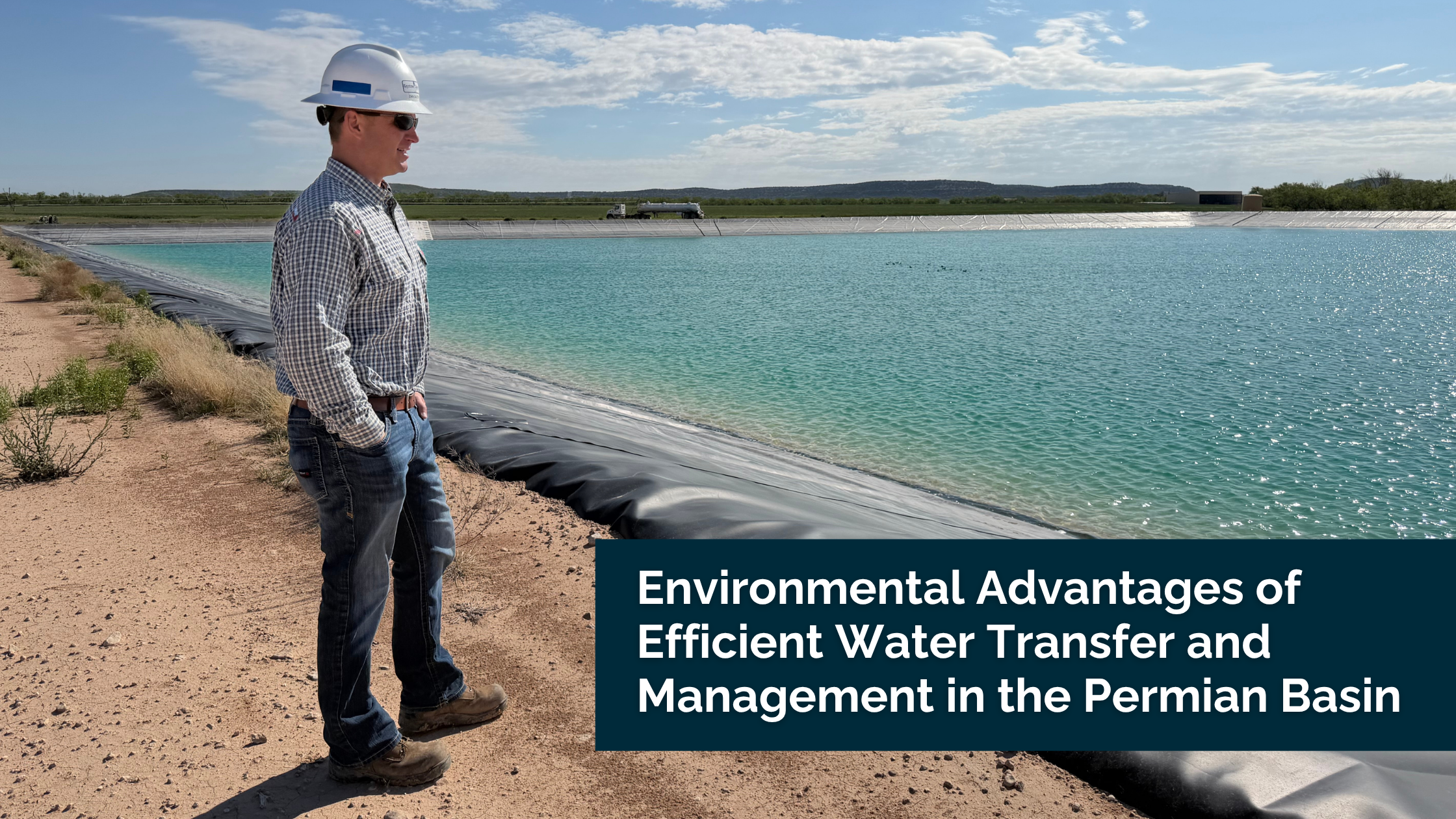
One of the most significant environmental advantages of efficient water management is the conservation of freshwater resources. The Permian Basin’s arid to semi-arid conditions make water a precious commodity. By employing advanced technologies for water transfer, such as advanced pipeline flow control systems, lay flat hose, and water recycling methods, the region can reduce its reliance on freshwater sources.
Innovative practices, like utilizing produced water for various applications, significantly decrease the demands placed on freshwater supplies. This not only helps to maintain local rivers and aquifers but also ensures that these resources remain available for agricultural and recreational use.
Protection of Local Ecosystems
Efficient water transfer and management also play a crucial role in protecting the ecosystems found within the Permian Basin. The region is home to various habitats, including desert, grasslands, and river systems. Excessive water extraction and poor management practices can lead to habitat degradation and loss of biodiversity.
By implementing sustainable water management practices, production companies can minimize their environmental footprint. Techniques such as monitoring water quality and optimizing water use can help maintain the health of local ecosystems.
Reduction of Water Pollution
Water pollution is a pressing concern in many industrial operations, including those in the oil and gas sector. Efficient water management practices can significantly reduce the risk of contamination. For example, using closed-loop water systems limits the exposure of produced water to the environment, thereby minimizing the chances of contamination.
Advanced treatment methods can render produced water safe for reuse, decreasing the potential for pollutants entering local waterways. By prioritizing water quality management, production companies in the Permian Basin can contribute to cleaner water sources, benefiting both the environment and public health.
Enhanced Resilience to Drought
With the increasing variability in weather patterns, the Permian Basin is likely to face more frequent and severe droughts. Efficient water transfer and management systems enhance the resilience of local communities and ecosystems to meet these challenges. By implementing strategies such as rainwater harvesting, aquifer recharge, and optimized irrigation systems, the region can build a buffer against water scarcity. These practices not only support the needs of the oil and gas industry but also ensure that local farmers and residents can cope with changing conditions.
Promotion of Sustainable Business Practices
Environmental awareness is becoming increasingly important in the energy industry, and efficient water management is a cornerstone of sustainable operations. Companies that prioritize water efficiency and management demonstrate their commitment to corporate responsibility, which can enhance their reputation and strengthen community relations. Moreover, adopting environmentally responsible practices can lead to long-term cost savings. By reducing water use, companies can lower their operational expenses and mitigate the risks associated with water shortages or regulatory changes.
Collaboration and Community Engagement
Efficient water management in the Permian Basin often involves collaboration among various stakeholders, including energy companies, local governments, and environmental organizations. This collaboration fosters a shared responsibility for managing water resources. By engaging with local communities and considering their needs in water management plans, companies can promote transparency and build trust.
The environmental advantages of efficient water transfer and management in the Permian Basin are important. From conserving freshwater resources to reducing water pollution and enhancing resilience to drought, these practices are essential for sustaining both the energy sector and the environment. As the world continues to seek ways to balance economic growth with environmental stewardship, the Permian Basin serves as a critical example of how effective water management can lead to a more sustainable future for all stakeholders involved.